
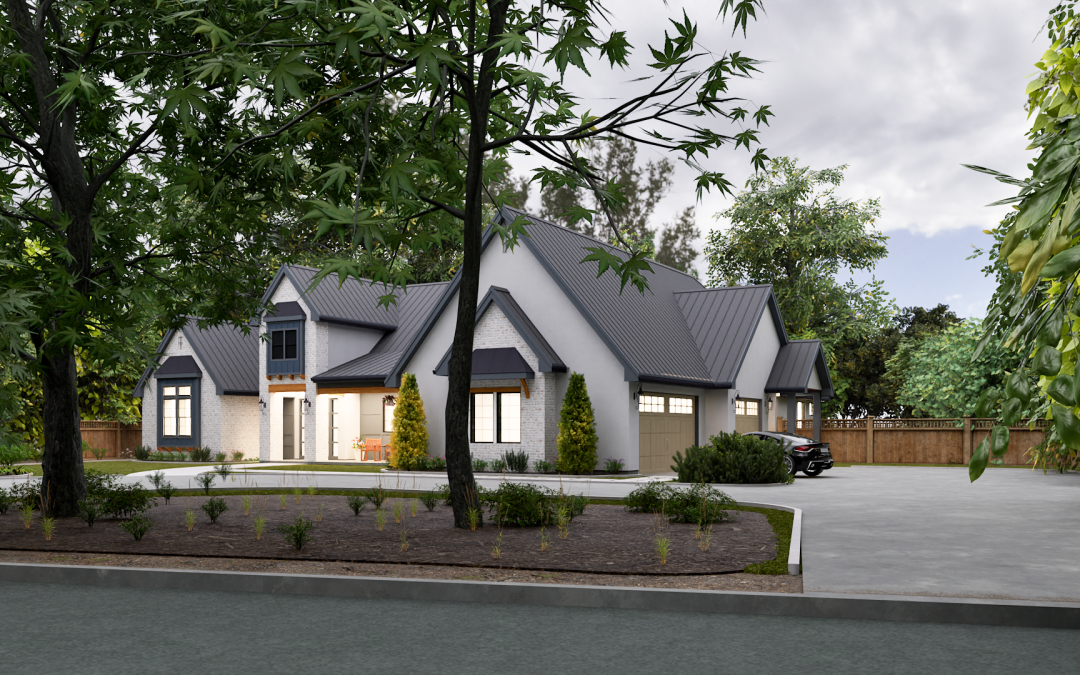
When you’re shopping for a new home plan, it’s easy to fall in love with the front elevation — the stonework, the porch, the symmetry. But before you commit, it’s worth asking the most important question first: Will this plan actually fit your lot?
Every property has its own characteristics — slope, orientation, setbacks, trees, views, and access points — and the right plan will make those features work for you, not against you. Here’s how to choose wisely. your budget.

Start With Your Site
Understand the Lot You Have
Before you dive into plans, take time to study the lay of the land.
- Lot size and shape: Narrow or irregular lots may need creative footprint solutions. A 60-foot lot, for example, drastically limits your overall width — so a plan designed for 80 feet won’t fit without major changes.
- Setbacks and easements: Always confirm local building requirements with your city or county. A few feet can make a big difference in plan selection.
- Slope and grading: Sloped lots can be challenging, but they often lead to some of the most beautiful homes — think walk-out basements, daylight lower levels, or split-level entries.
At Radius, we often start with a site plan or simple survey before matching a design. This ensures you know what’s possible before you fall in love with a floor plan.
Consider the View and the Light
Orientation matters more than most people realize. The way your home sits on the lot affects how it feels year-round.
- Maximize natural light: South-facing living areas tend to be bright and comfortable throughout the day.
- Frame your views: If your lot backs up to trees, a golf course, or open space, choose a plan with plenty of rear windows and a covered porch or veranda.
- Control the heat: In Texas and the southern states, strategic overhangs and porches can help block harsh western sun while keeping outdoor spaces usable in summer.
A good designer can mirror or rotate your plan to take advantage of these conditions without sacrificing layout flow.
Match the Plan to Your Terrain
Certain architectural styles naturally work better with specific lot conditions.
- Flat or minimal-slope lots: Great for Modern Farmhouse or Transitional Ranch plans that emphasize single-level living and long horizontal lines.
- Steep or rolling lots: Ideal for Hill Country or European Manor homes with basement or terrace levels.
- Corner lots: Offer opportunities for side-entry garages or angled façades that create visual interest.
If your lot has elevation changes, request a walk-out or split-level variation — we can modify most Radius plans to fit those conditions.
Think About Access and Privacy
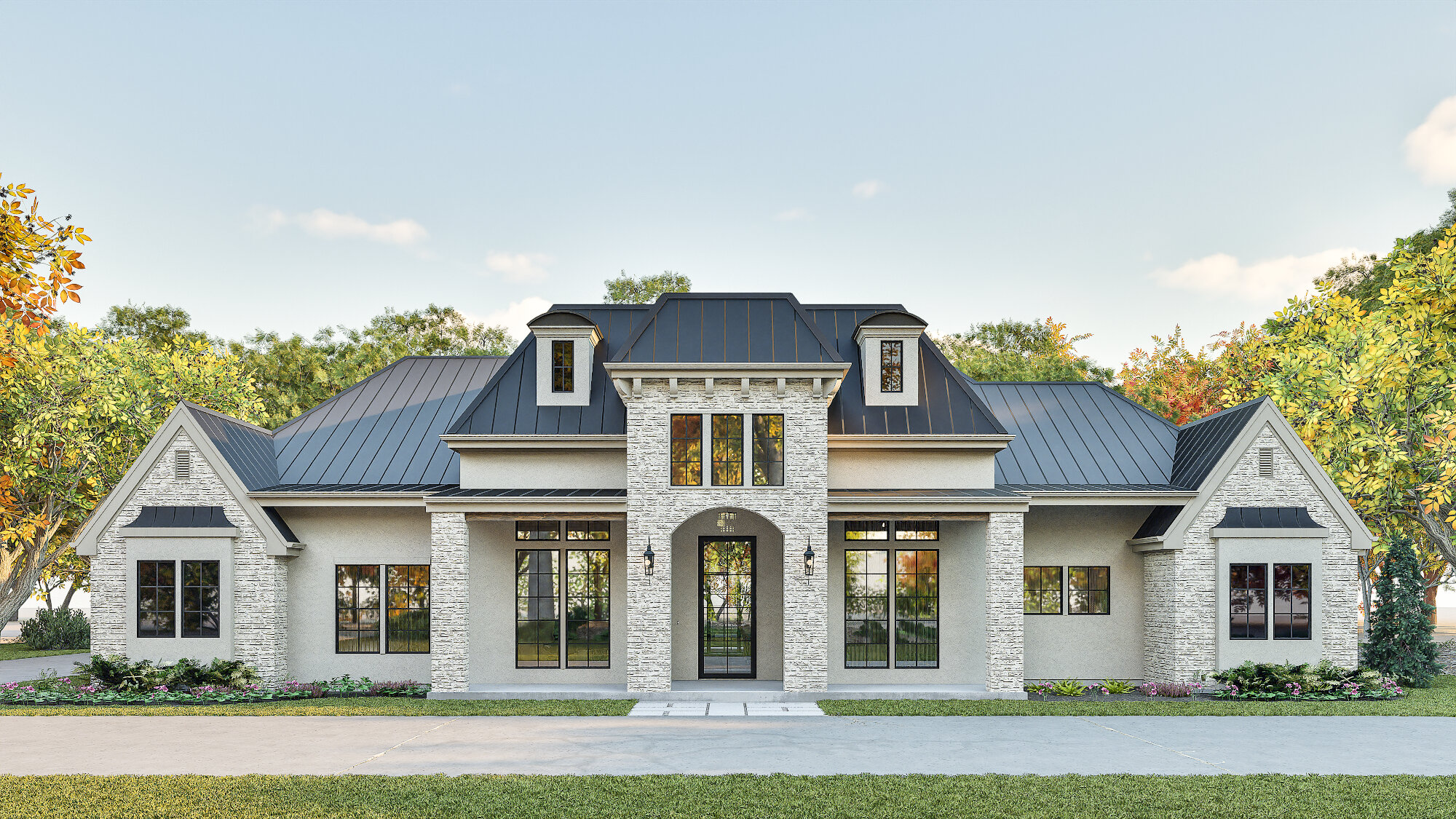
Your driveway location, neighboring homes, and public frontage all influence the best home orientation.
- Front vs. side garage: Side-entry garages offer great curb appeal but require additional width.
- Backyard privacy: Positioning bedrooms and patios away from the street improves comfort and noise control.
- Future growth: If you plan to add a workshop, pool, or guest casita later, leave adequate space around the main structure.
These decisions are easier to make before construction, not after.
Plan for the Way You Live
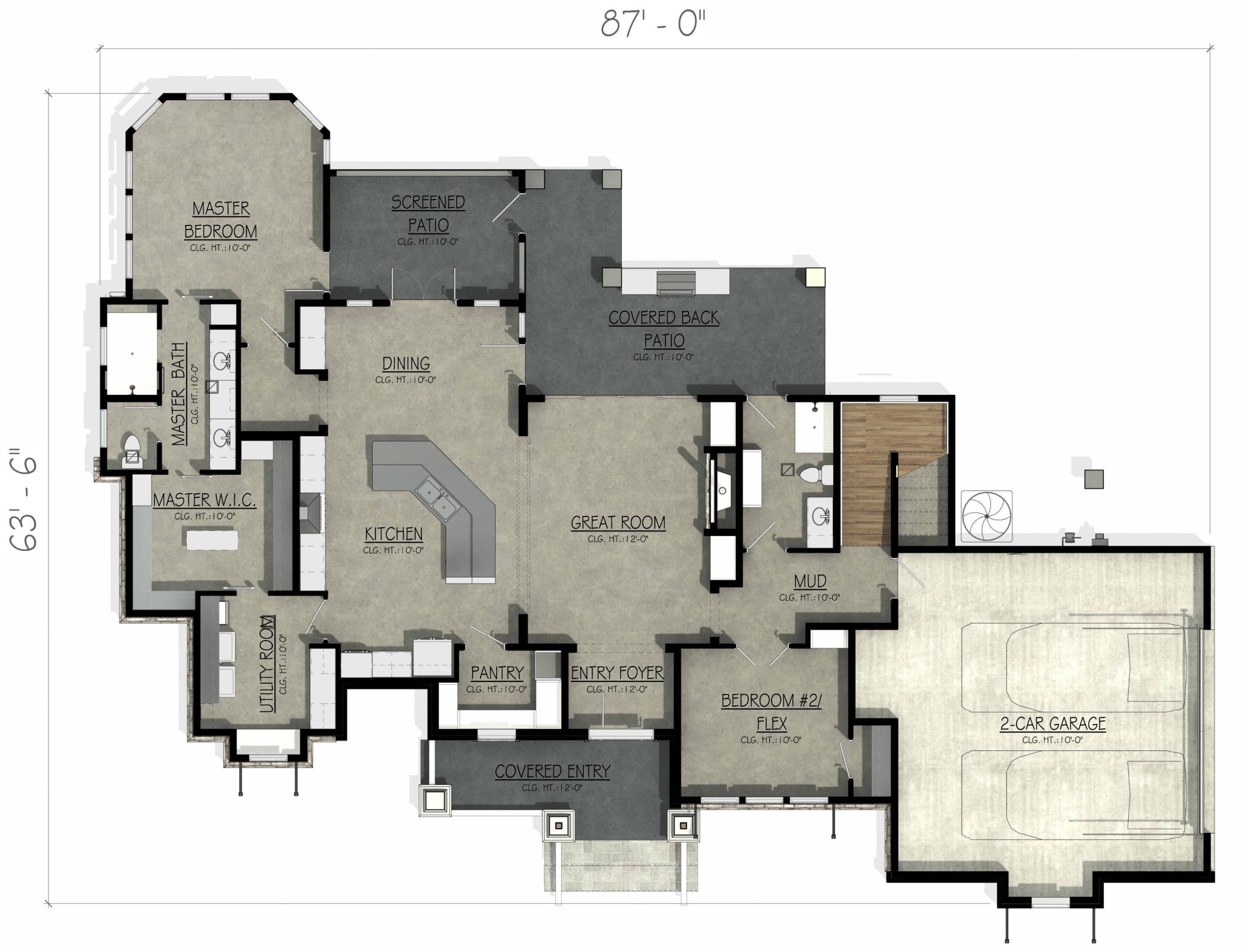
The right home plan should reflect both your lot and your lifestyle.
Ask yourself:
- Do you entertain outdoors? Look for a plan with a large covered porch or veranda.
- Do you need side access for RV or boat storage? A wider lot or detached garage plan may suit you better.
- Do you want to capture morning light in your kitchen or sunset views from your living room? Orientation can make that happen.
Design is about more than square footage — it’s about how the home supports your daily rhythm.
Work With Designers Who Adapt to Your Site
One of the benefits of working with Radius Design is that every plan we sell can be customized. Whether you need to flip the layout, add a basement, or adjust the roofline for local code, our team can modify your plan to fit your property and budget.
We regularly help homeowners, builders, and developers adapt our existing plans to real-world lots — ensuring that what looks beautiful on paper also works perfectly on the ground.
Don’t Forget the Details
Small adjustments can make a big difference when matching a plan to a lot:
- Adjusting window placement for better views
- Extending a porch to wrap around a corner
- Raising plate heights for sloped foundations
- Moving a garage door to improve access
These refinements are part of what transforms a standard plan into your home plan.